
This past spring, our family started noticing something unexpected during our weekend walks and in nature getaways. Not the big landscapes. Not the sweeping views.
The smallest things…the ones we had always passed by, and we are sure many of you would have as well.
It took us less than a second to almost miss this burst if pink while driving down from Mt. Tamalpais. Something along the roadside flickered into view – texture, color, form – and just as quickly, it was gone. We assumed it was one of the many thistles we’ve come to recognize. Milk Thistle. Bull Thistle. Familiar enough to dismiss. But that moment stayed. Then there was another and even more vibrant and luckily a a pullout just close by. Time for a quick stop to investigate. Fished out my phone and took a shot on the iNaturalist app, it turned out to be a Cobwebby Thistle (Cirsium occidentale) – a wildflower that is rugged and delicate at the same time. Spines wrapped in silvery threads. Strong, yet almost fragile in appearance. Reading some more learnt that unlike many other Thistles, Cobwebby Thistle is more native than being a problematic weed and does not aggressively outcompete other plants.
And that moment shifted something. Not in the landscape.
But in how we see.
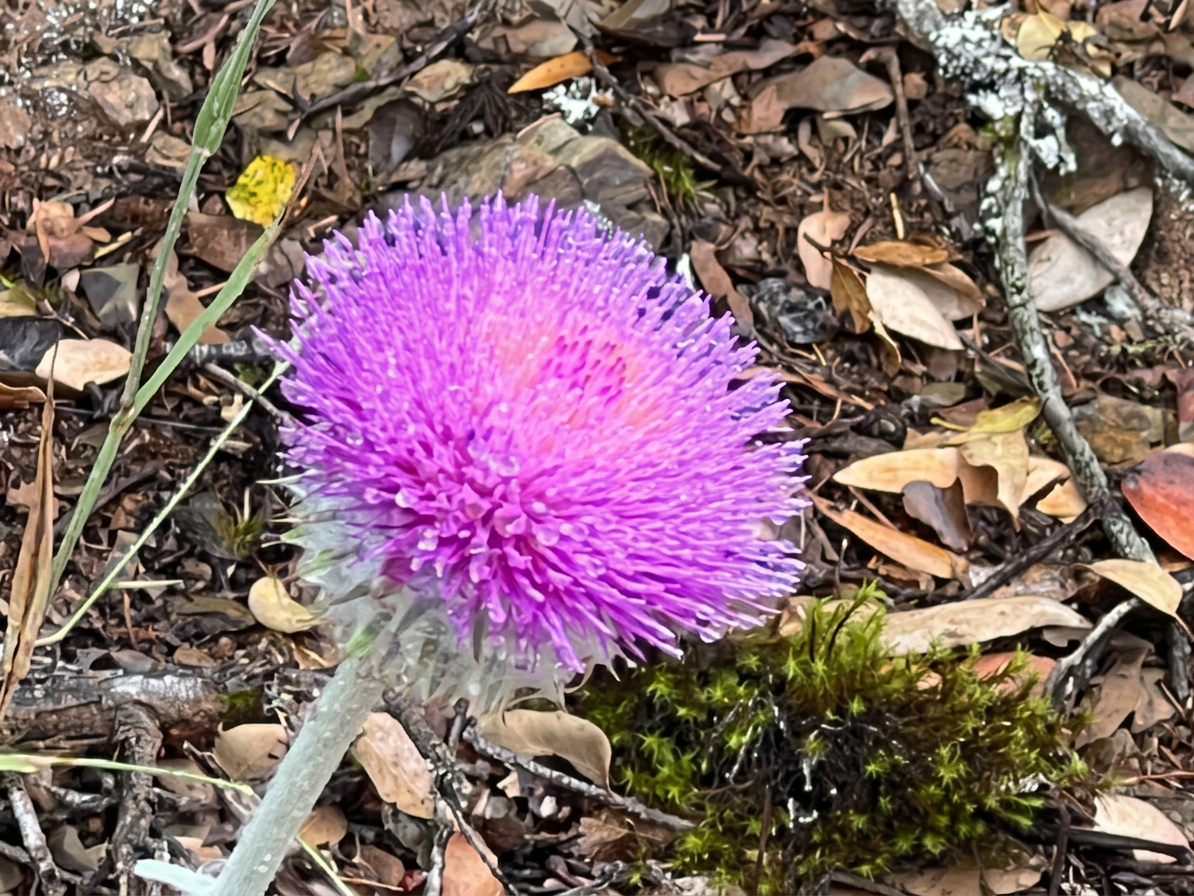
Location: Mount Tamalpais, Marin Municipal Water District Watershed, Marin County, Golden Gate National Recreation Area, US-CA, US
Lat/Lon: 37.9199751607, -122.6044744627
A Different Way of Seeing
As a family, we spend time outdoors across the Bay Area—Shoreline Bay Park, Nisene Marks Forest, Baylands Park, Picchetti Ranch Preserve, and Sanborn Forest, Uvas and all around the San Fransico Bay area and beyond. These places are familiar. We’ve walked them many times.
But recently, they’ve started to feel different. Because we’ve started to look down.
Life comes in a small size but makes a big impact. All you need to do is stop, take a knee and appreciate the beauty of the tiny flowers of weeds, wildflowers and ornamentals.
What used to feel like a simple walk has become something else—an exercise in attention. And that shift has powerful parallels to how we experience work, leadership, and change.
The Moment That Stayed with Us
At Shoreline Park Trail in Mountain View, one small moment captured everything.
Once we nearly stepped over a flash of red.
Our son held us back and pointed at something small and red.
It was a beautiful, a lonely Scarlet Pimpernel (Lysimachia arvensis).
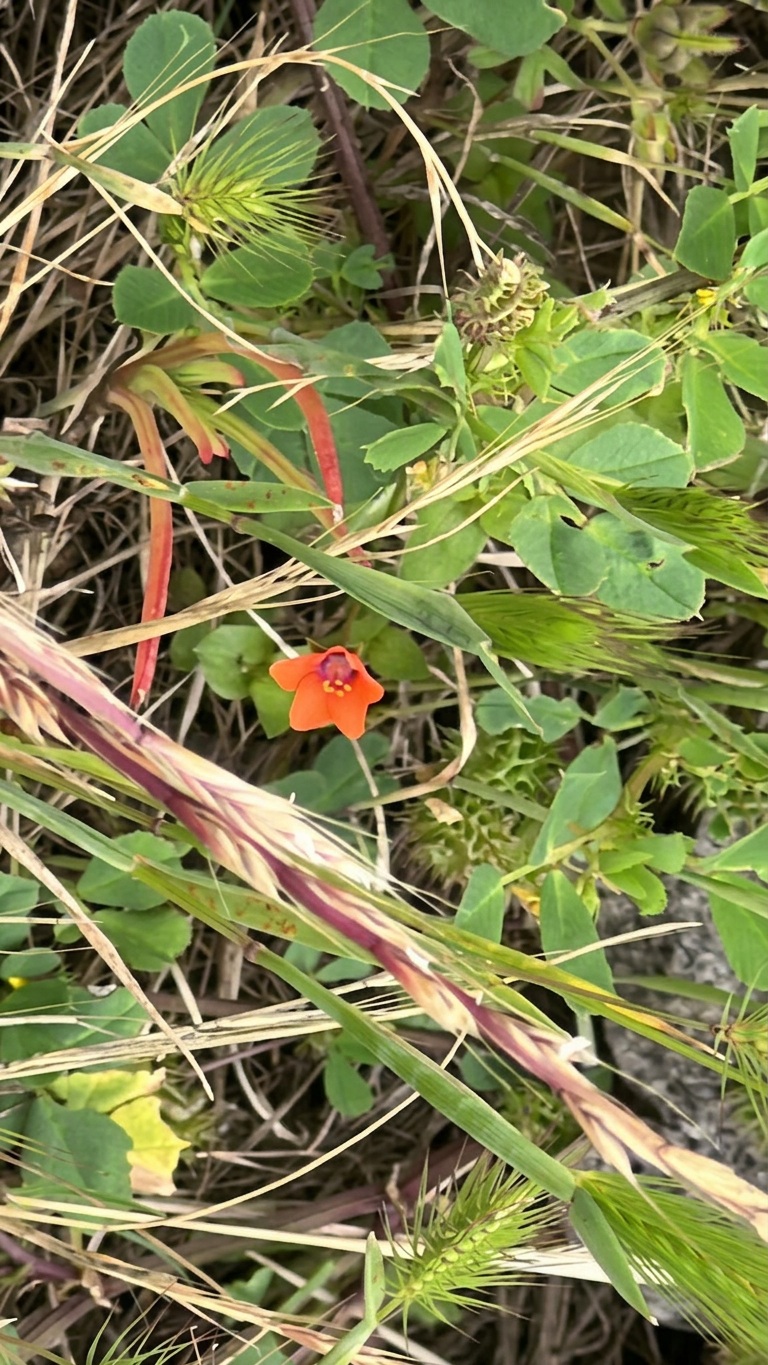
Location: N Shoreline Blvd, Mountain View, CA, US
Lat/Lon: 37.4325621008, -122.0878080907
One flower.
No cluster.
No surrounding patch.
Just a hidden spark of scarlet breaking the green.
We began noticing that pattern—again and again. Most of the time solitary. Never crowded. Almost as if it chose to stand alone rather than blend in. Researching why, we found out it is highly particular about habitat, its seeds do not spread widely, It does not compete very well surrounding plants, and it germinates unevenly.
But beyond the biology, it felt like something more.
It felt familiar.
What the Scarlet Pimpernel Taught Us About Change
In organizations, we often expect change to appear as a wave – visible, measurable, collective.
But change often begins like the Scarlet Pimpernel. A single adopter, a small behavior shift, an isolated signal.
Not loud. Not clustered. But meaningful.
A game of hide-and-seek in the wild,
She appears and then vanishes in a blush,
Stands out as a flame in the greens,
An introvert, hiding its beauty till you see.
We’ve learned something important from that flower:
Don’t wait for clusters to validate change.
Pay attention to early, scattered signals.
What appears small may be the start of something larger.
Culture Is Built at Ground Level
Something else became clear as we continued these walks:
Culture – like these flowers – built at ground level.
Not in large declarations.
Not in visible milestones.
But in small actions, repeated behaviors, and subtle interactions.
Exactly the things we usually overlook.
Tiny Flowers, Big Lessons
Every flower we came across became more than an observation—it became a reflection of something we see in our work.
What follows is the result of stopping, looking, and often taking a knee to capture the beauty of the small and mighty.
Signals We Almost Miss
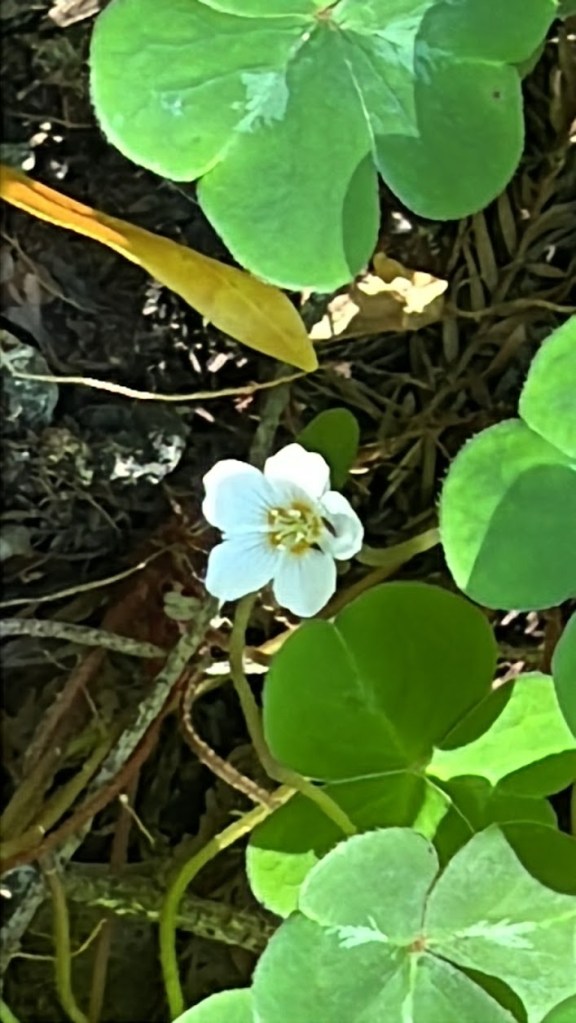
Redwood Sorrel (Oxalis smalliana)
Tiny bloom hidden beneath clover leaves, like quiet effort that rarely gets noticed—but shapes outcomes.

Western Blue-eyed Grass (Sisyrinchium bellum)
Small burst of brilliance in plain sight, like frontline innovation that leadership almost overlooks.
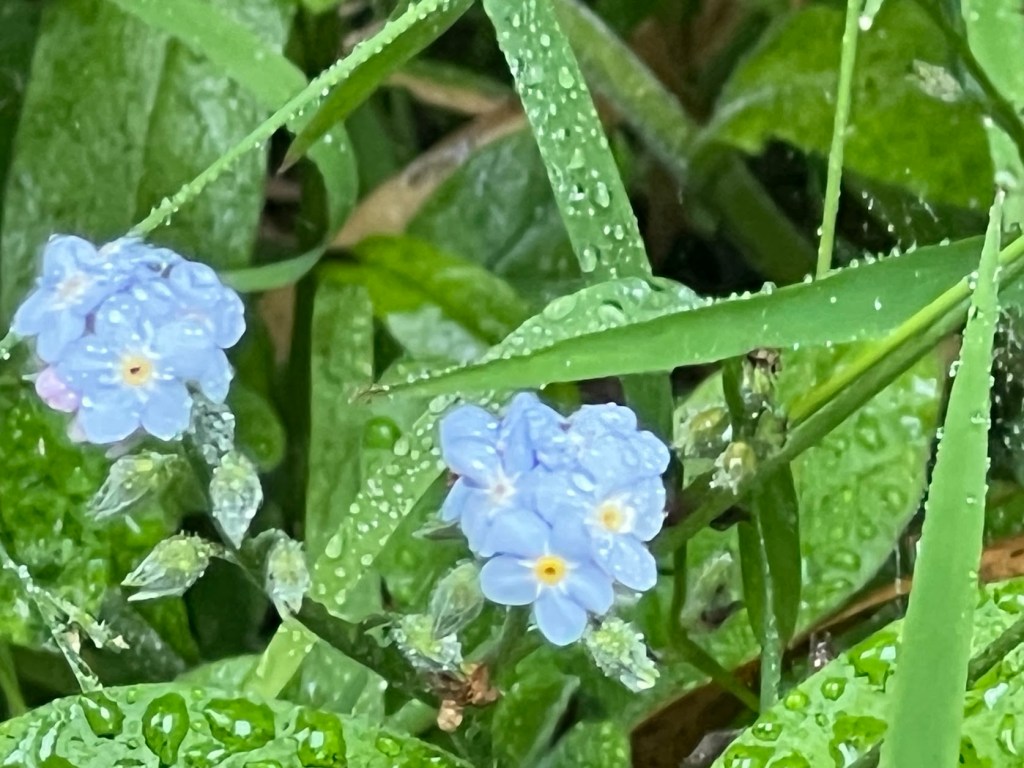
Broadleaf Forget Me Not (Myosotis latifolia)
Tiny and easily overlooked, yet deeply memorable, like quiet behaviors that shape culture over time.
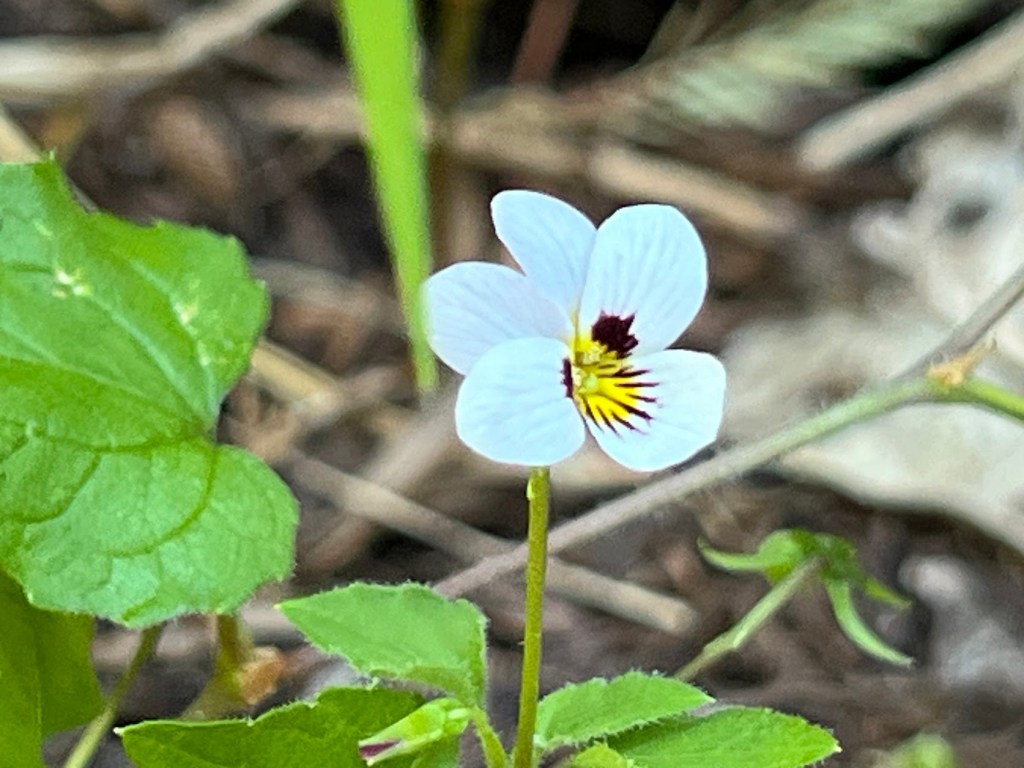
Western Heart’s Ease (Viola ocellata)
Low to the ground, delicate and expressive, like trust built in everyday interactions.
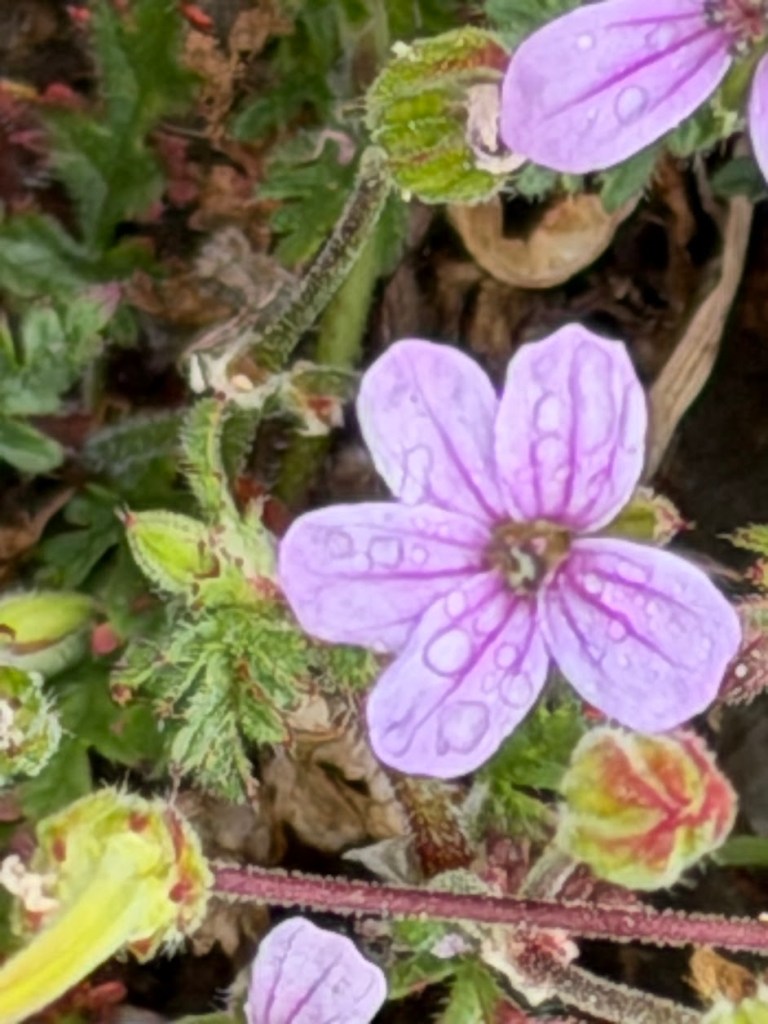
Mediterranean Stork’s Bill (Erodium botrys)
A subtle presence that does not demand attention, like value created in places leadership rarely looks.
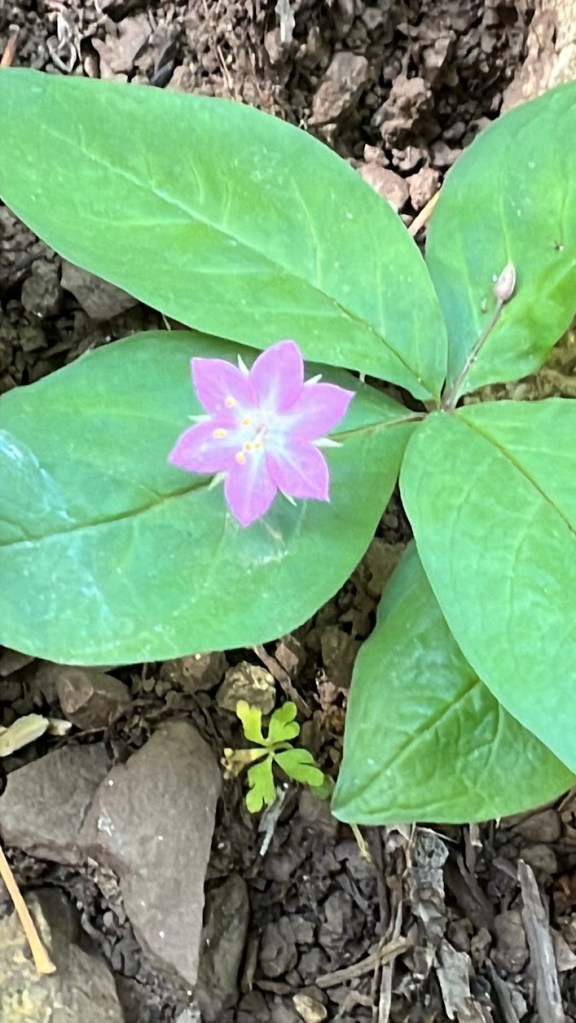
Western Starflower (Lysimachia latifolia)
A low pink star resting among leaves, like value created where few are looking.
Early Adopters and Subtle Shifts
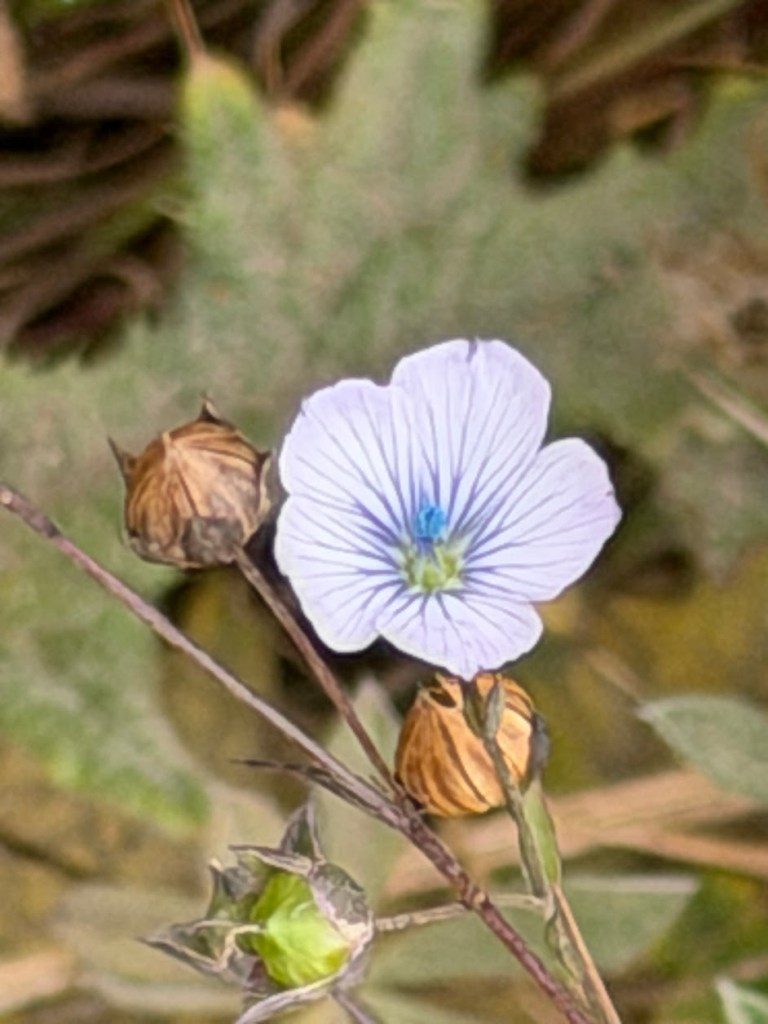
Pale Flax (Linum bienne)
Brief in presence, lasting in impact, like a change champion who shifts direction early.
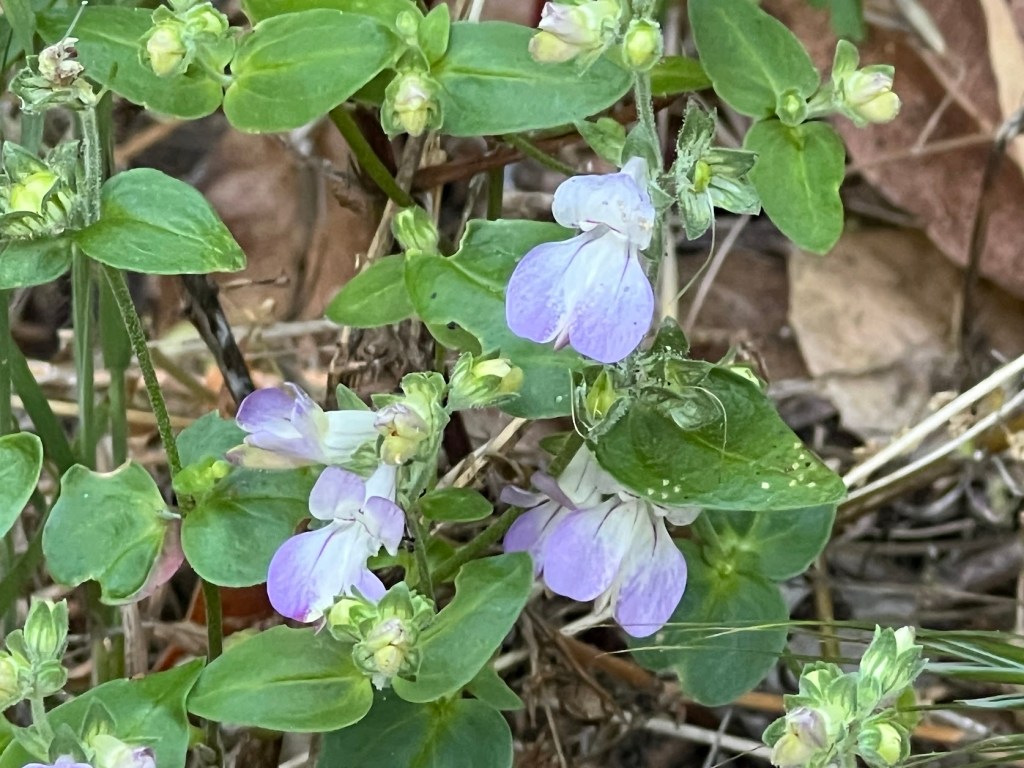
Blue-Eyed Marys (Genus Collinsia)
Clusters that build gently before becoming visible, like early adoption that grows quietly into momentum.
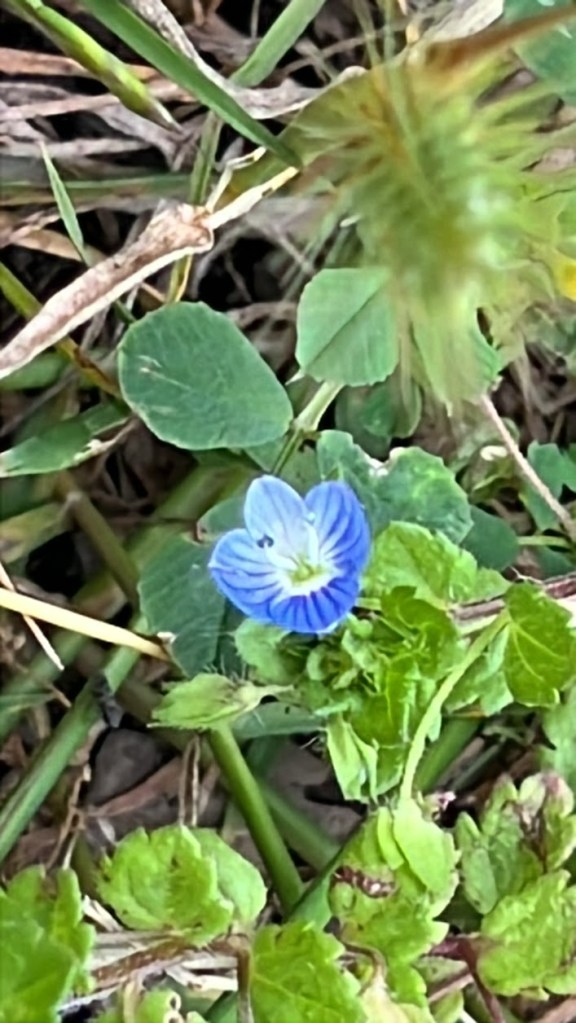
Bird’s-eye Speedwell (Veronica persica)
A tiny bloom that looks upward, like someone asking the question others haven’t yet considered.
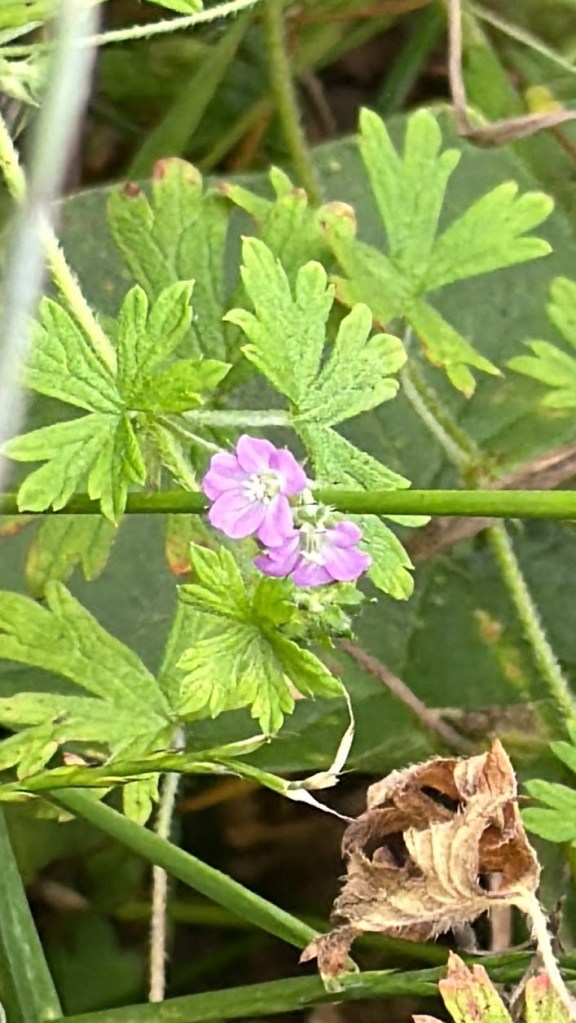
Aldernay Crane’s Bill (Geranium core-core)
Scattered blooms that appear without pattern, like early signals of change emerging unevenly across teams.
Strength Beneath Simplicity
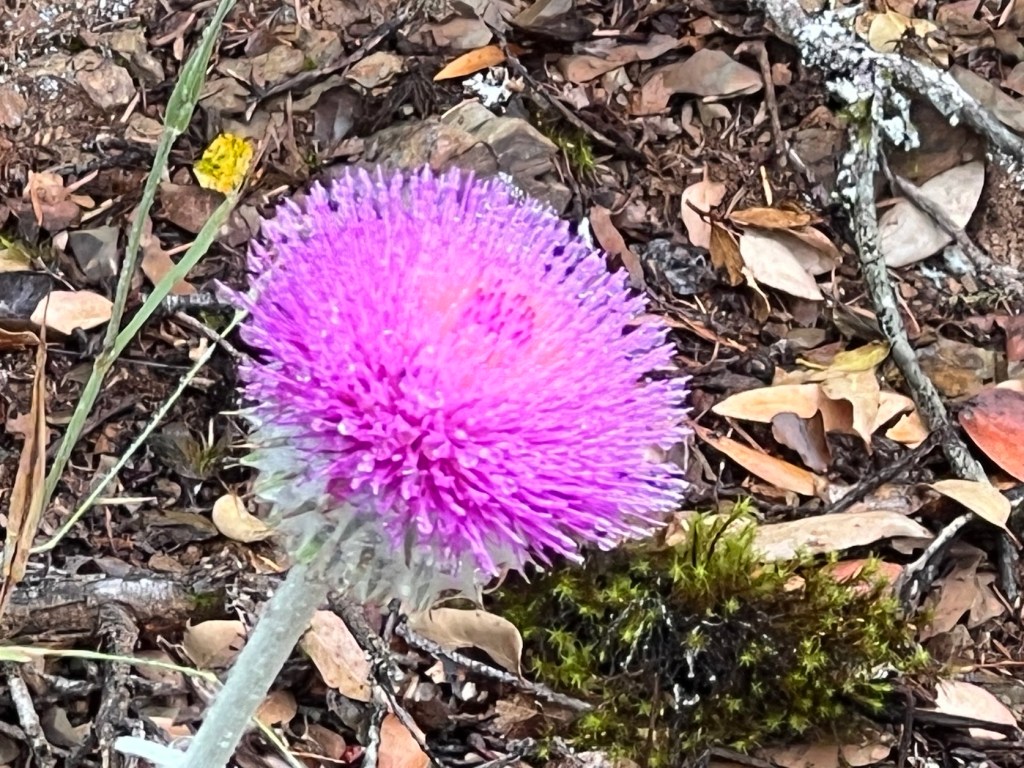
Cobwebby Thistle (Cirsium occidentale)
Resilient beneath delicate threads, like organizations stronger than they appear.
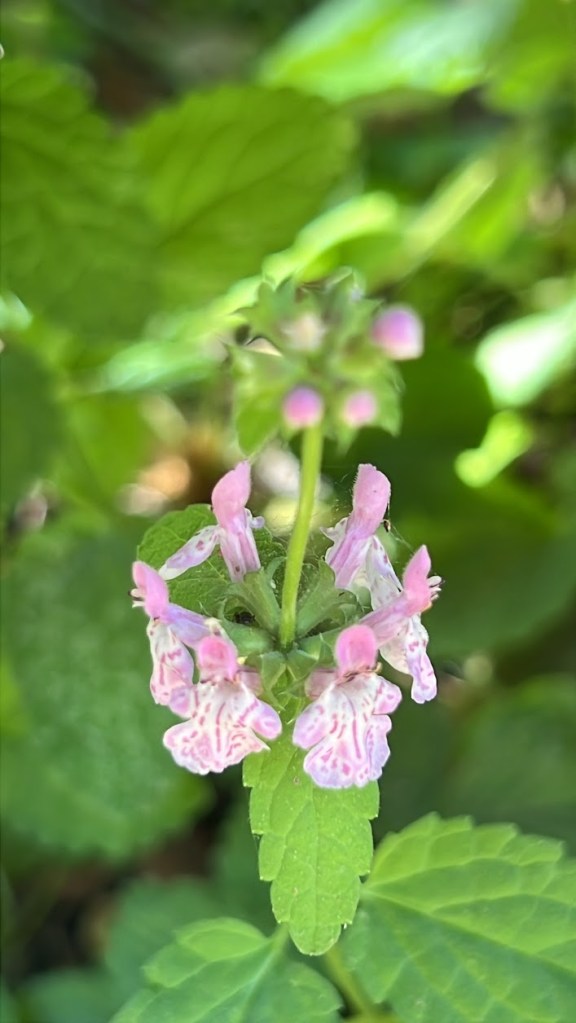
Hedgenettles (Genus Stachys)
Soft blooms protected by rugged form, like cultures balancing safety and resilience.
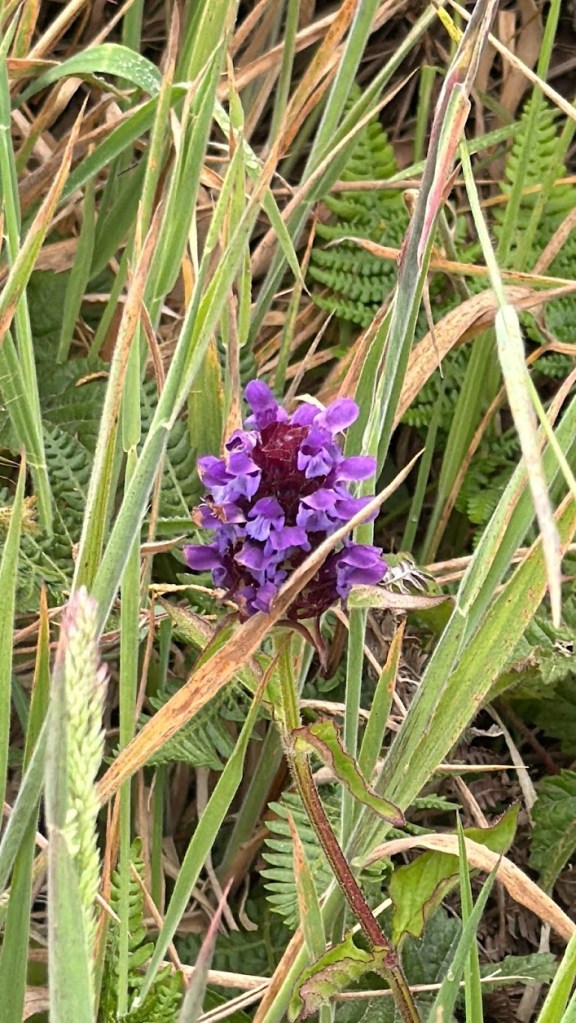
Common Selfheal (Prunella vulgaris)
Small, grounded, dependable, like teams that sustain systems quietly.
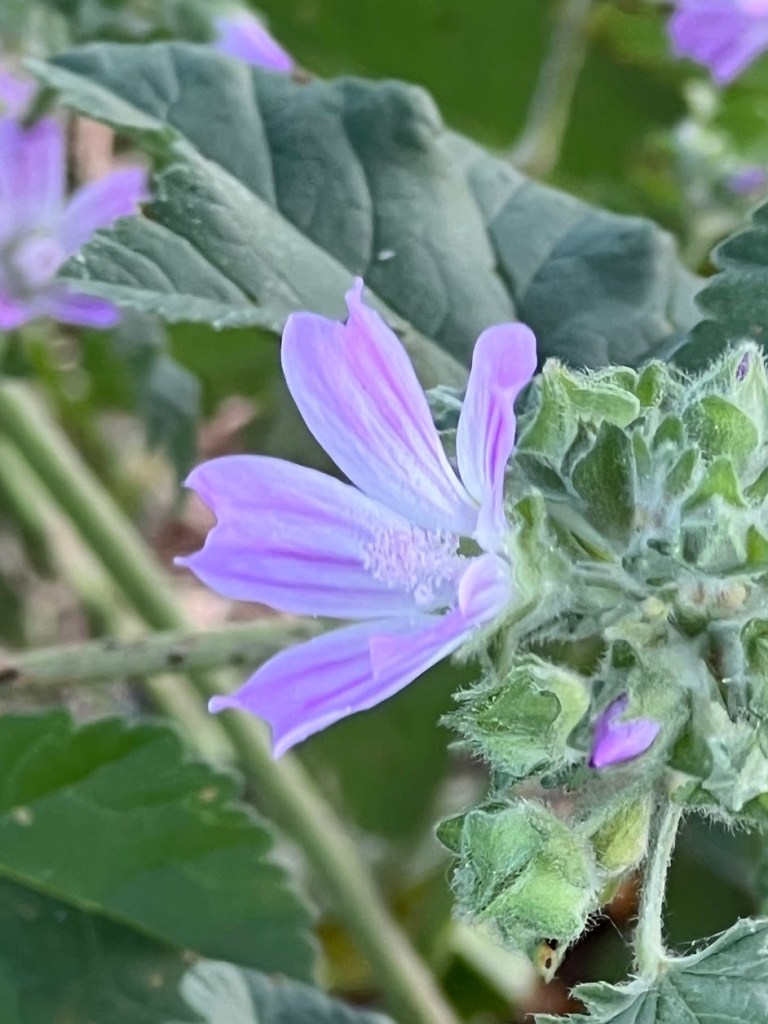
Cretan Mallow (Malva multiflora)
Delicate in appearance yet persistent, like teams that endure through subtle strength.
Transformation Over Time
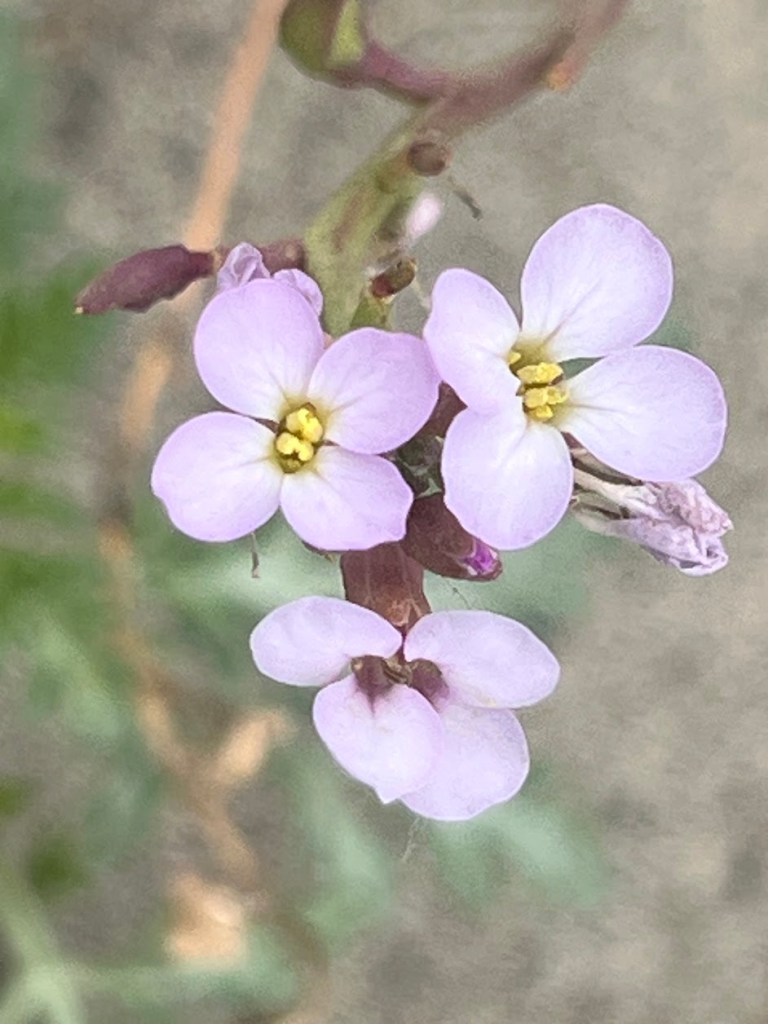
European Searocket (Cakile maritima)
Shaped by environment and conditions, like organizations adapting under pressure and change.
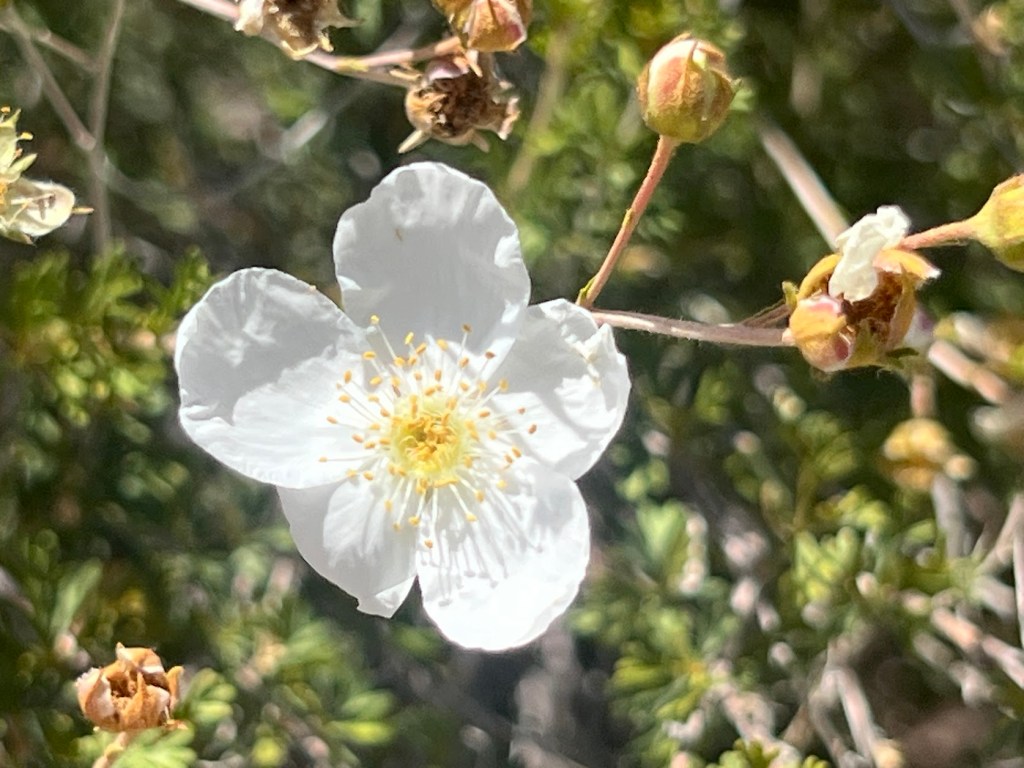
Apache Plume (Fallugia paradoxa)
From bloom to feather, like change that evolves beyond its original intent.
Structure and Design
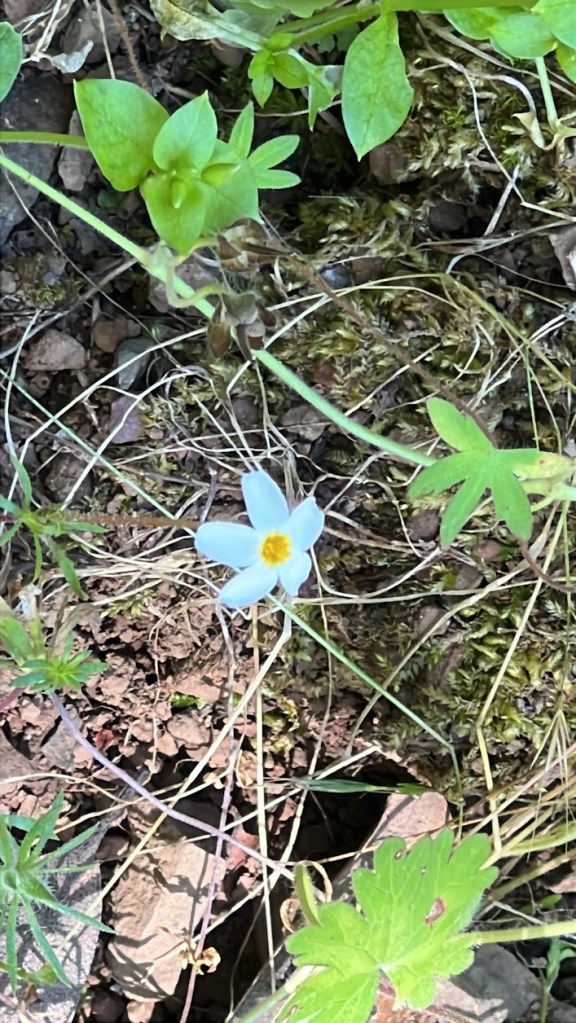
False Babystar (Leptosiphon androsaceus)
Small stars forming quiet patterns close to the ground, like system-level change emerging from repeated small actions.
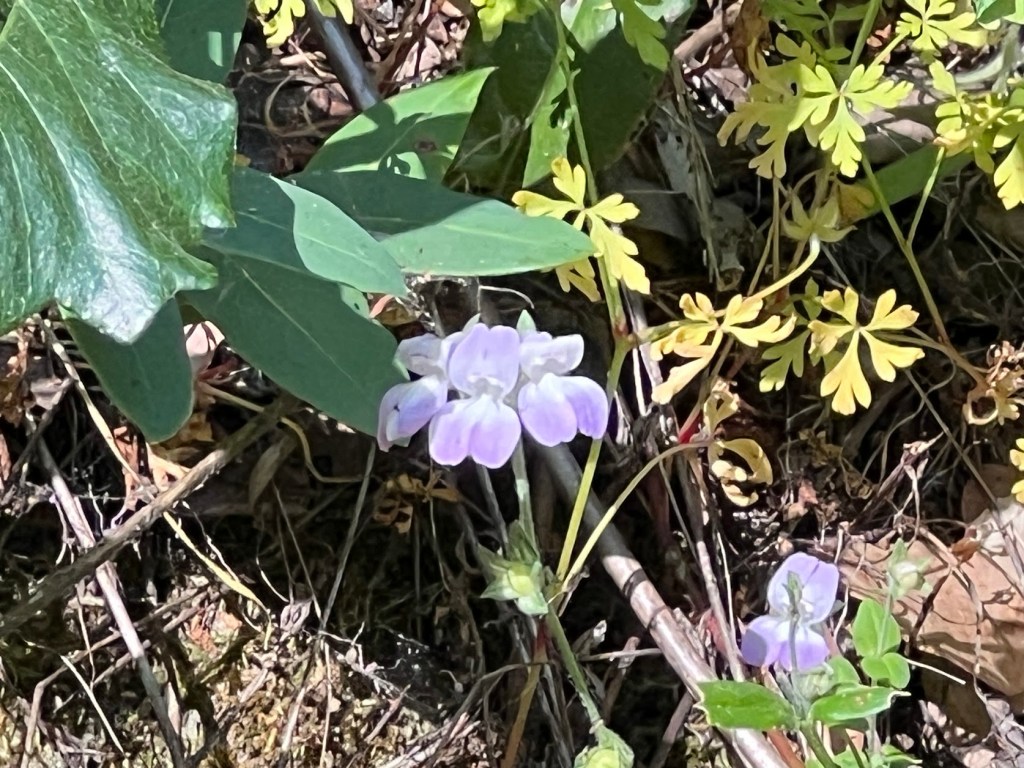
Purple Chinese Houses (Collinsia heterophylla)
Layered and intentional, like well-designed processes that scale naturally.
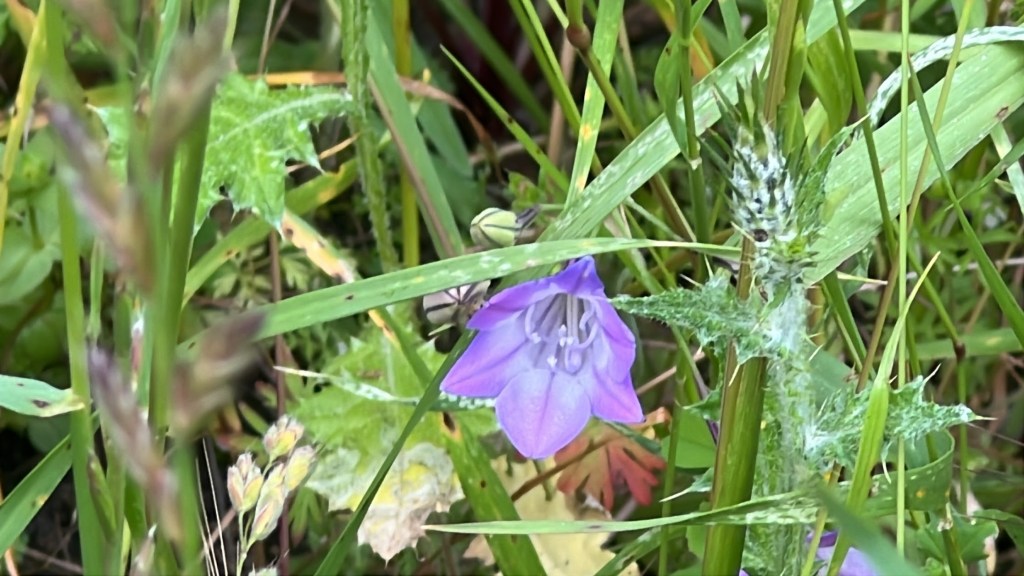
Ithuriel’s Spear (Triteleia laxa)
Standing with quiet presence, like leadership that doesn’t demand attention – but earns it.
Energy and Engagement
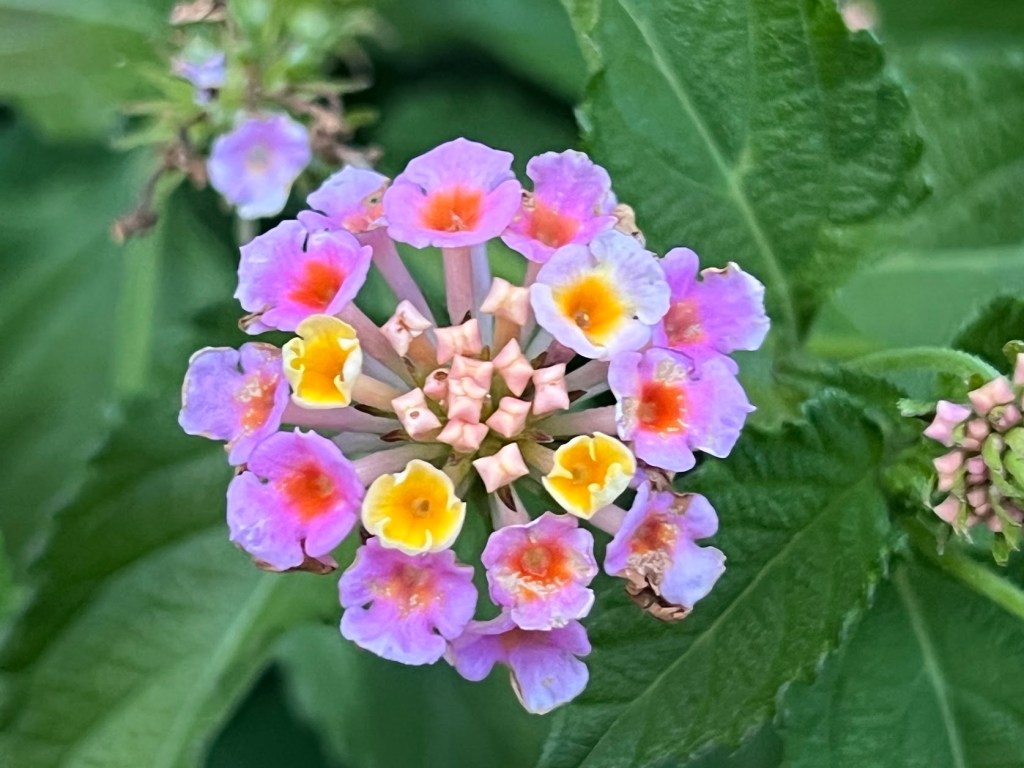
Lantana (Lantana strigocamara)
Alive with constant motion – wings, movement, activity (Bees, Butterflies and Hummingbirds), like cultures that naturally attract energy and participation.
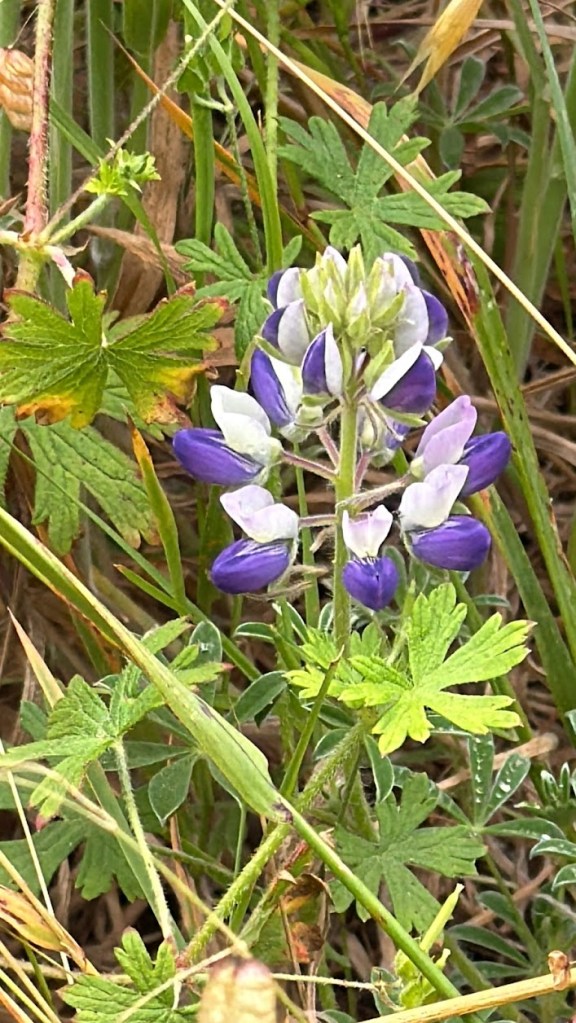
Varied Lupine (Lupinus variicolor)
Growing upward together, like aligned teams moving with shared purpose.
Sustained Value
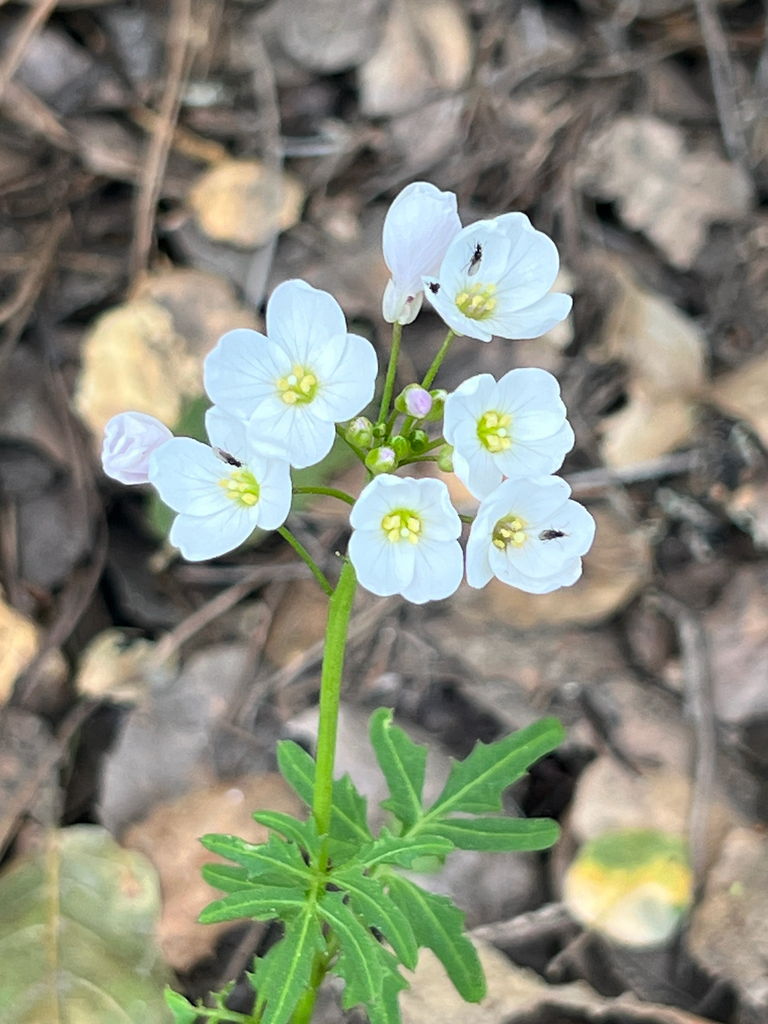
Milkmaids (Cardamine californica)
Early bloomers that signal seasonal transition, like foundational capabilities that enable broader transformation.
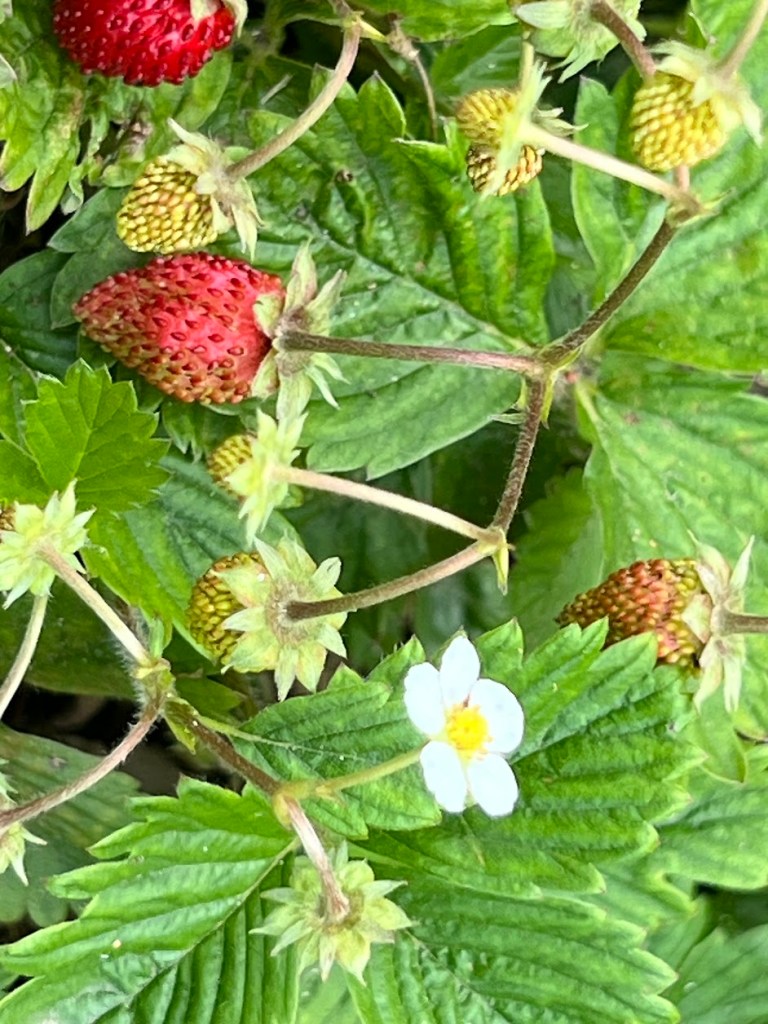
Woodland Strawberry (Fragaria vesca)
Beauty that also nourishes, like systems that are both elegant and useful.
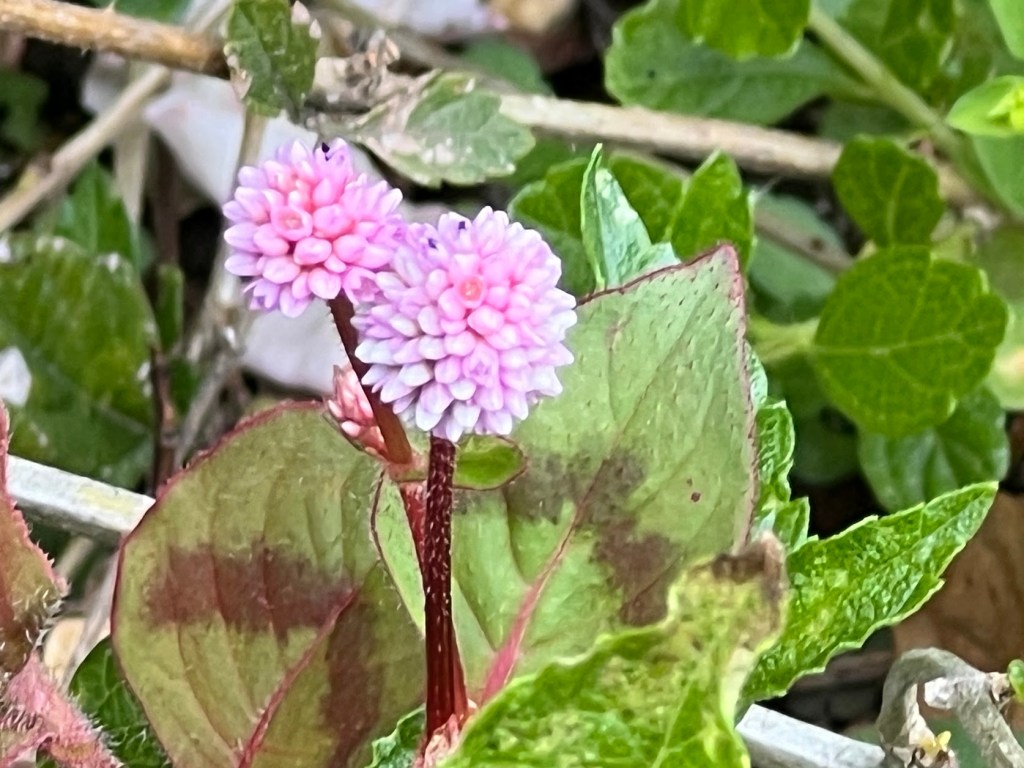
Pink Knotweed (Persicaria capitata)
Repetition building pattern, like habits that quietly define culture.
What Changed for Us
The trails didn’t change.
The flowers didn’t change.
We did.
We started to walk slower, look closer, pause more often, and we started to take a knee.
And in doing that, we found something that applies as much to leadership as it does to nature.
The most important signals are rarely the loudest.
The most impactful changes are rarely the largest.
The strongest cultures are built in moments no one is measuring
The Invitation
That fleeting moment on Mt. Tamalpais wasn’t just about a flower. It was about attention.
Because the truth is that the extraordinary is already here. It’s just smaller than we expect.
So, the next time you are on a trail, or even in your workday – pause.
Look down.
Notice the small signals.
Take a knee.
Because sometimes, the most powerful insights…
The strongest leadership cues…
The earliest signs of change…
Are quiet.
Subtle.
Waiting to be seen.
And they are as beautiful as the small but might wonders of around.


 Experiences in Cooking, Travel, Nature, and More
Leave a comment